Source IP65 Video Display Led Eye for Advertising, Shopping, Events
Compare 30 IP65 video display led eye units from verified Chinese manufacturers. Buyers can evaluate models like P10 and P3.91 with varying brightness, refresh rates, and power consumption for advertising, shopping guides, and event applications; compare the available evidence and request quotations based on your requirements.
Key considerations
Products List
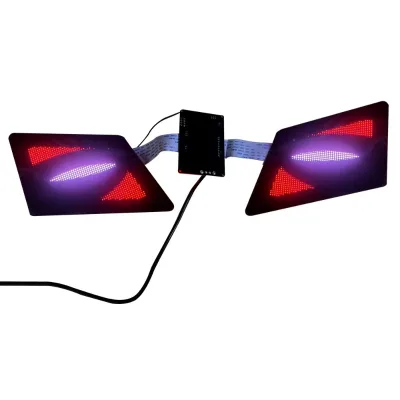


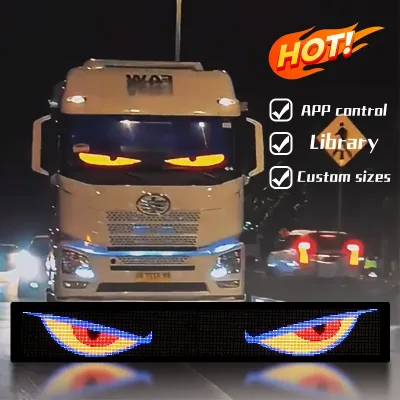


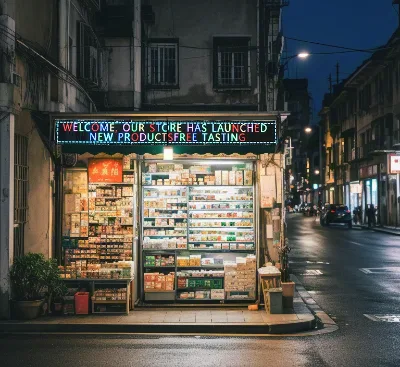
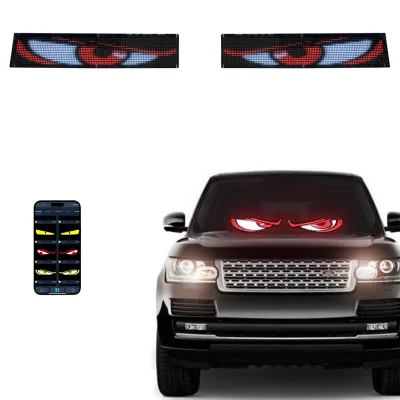
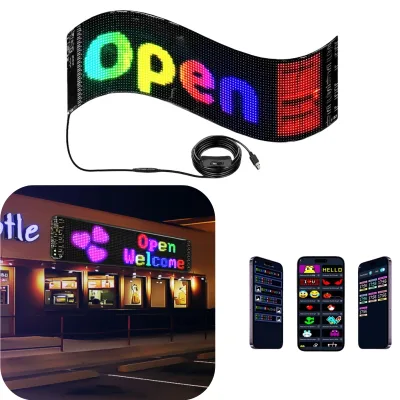
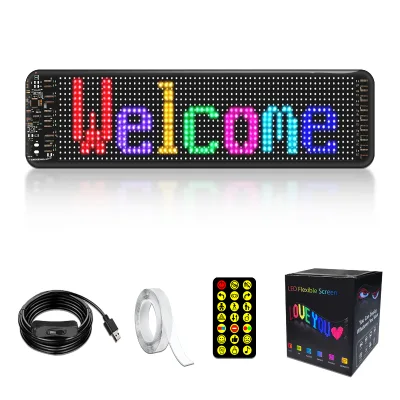


Indoor Advertising 4-Sides Eye-Naked 3D LED Video Screen Display with Wheels
$4600.00 - $5000.00
Moq: 2


Comprehensive Sourcing Guide
IP65 Video Display LED Eye Sourcing Guide
Procuring an IP65 video display LED eye requires careful attention to the specific environmental ratings and pixel configurations that define outdoor performance. The observed product data indicates a range of models, including P10, P6, P8, P5, and P3.91, each serving different viewing distances and resolution needs. Buyers must distinguish between these pixel pitches to ensure the selected unit meets the visual clarity requirements for the intended installation site, whether it is a large-scale advertising board or a shopping guide display.
The supply chain for these units often originates from manufacturing hubs in Zhejiang and Shenzhen, China, where suppliers offer universal models with customizable features. While the listed products show a wide price range and varying minimum order quantities, the core technical attributes remain consistent across the catalog, such as the use of Mbi ICs and high-brightness encapsulation from brands like Hongsheng or Nationstar. Understanding these baseline specifications helps buyers filter options that align with their specific budget and performance constraints before engaging with individual vendors.
Product Scope and Observed Listing Signals
The product scope for these LED video displays encompasses a variety of applications, primarily focused on advertising and shopping guide functions. The observed listings confirm that these units are designed for retrofit and upgrade purposes, featuring multicolor capabilities and full-color tube chips. Buyers should note that the scanning modes vary significantly across the catalog, with options ranging from 1/2 scan to 1/8 scan, which directly impacts the refresh rate and motion handling capabilities of the final display.
Listing signals indicate that the physical packaging and dimensions are standardized, with single package sizes often around 50x40x30 cm and flight case packing for transport. The average power consumption is a critical variable, observed at 350W, 220W, and 180W per square meter depending on the specific model and pixel pitch. Procurement teams must verify the exact power draw for their target model to ensure their electrical infrastructure can support the load, as the listed values represent average consumption rather than peak surge requirements.
Technical Specifications to Verify
Technical verification must begin with the pixel configuration and refresh rate, as these factors dictate the visual quality and flicker-free performance of the display. The data shows refresh rates of 1920Hz and 3840Hz, with some models supporting up to 3840Hz specifically for high-motion content. Buyers should confirm the specific refresh rate of the unit they are purchasing, as lower rates may cause visible flickering when captured by cameras, which is a common issue in video recording scenarios for advertising purposes.
Brightness and maintenance access are equally critical technical parameters that require strict validation before finalizing a purchase. The observed specifications list high brightness levels, with one model explicitly rated at 6500 cd/sqm, ensuring visibility in direct sunlight. Additionally, the maintenance method is listed as either rear or front access, with some models supporting both. Procurement teams must align the maintenance strategy with the physical installation environment, as rear access is often preferred for wall-mounted structures while front access is essential for freestanding units in high-traffic areas.
Compliance and Safety Documentation
Compliance documentation is a non-negotiable aspect of sourcing these electronic displays, particularly given the international nature of the supply chain. The observed listings confirm that products carry CCC, CE, and RoHS certifications, which are essential for market entry in China, Europe, and regions adhering to environmental standards. Buyers must request valid certificates for the specific batch they are ordering, as certification status can vary between different production runs or model revisions within the same supplier's catalog.
Safety standards also extend to the electrical components and the overall system reliability, including the lifespan of the LED chips. The data indicates a lifespan of 100,000 hours, a figure that should be verified against independent test reports rather than relying solely on supplier claims. Ensuring that the power supply units and driver ICs meet relevant safety standards is crucial for preventing fire hazards and ensuring long-term operational stability, especially for installations that operate continuously in demanding outdoor environments.
Cost Drivers and Commercial Terms
Cost drivers for IP65 video displays are heavily influenced by the pixel pitch, brightness rating, and the complexity of the scanning mode. Lower pixel pitches like P3.91 and P5 generally command higher prices due to the increased density of components and the more sophisticated Mbi ICs required for high-resolution output. Buyers should analyze the trade-off between resolution and cost, as the higher brightness and refresh rates of premium models may not be necessary for all applications, allowing for significant budget optimization by selecting the appropriate specification tier.
Commercial terms such as minimum order quantity and customization availability play a pivotal role in the total cost of ownership. The observed MOQ ranges from 1 to 150 units, offering flexibility for small-scale projects while bulk orders may unlock better pricing structures. Customization is available for many models, which can impact lead times and unit costs. Procurement teams should negotiate clearly on whether customization fees are included in the unit price or charged separately, and clarify the lead time implications for custom orders to avoid project delays.
Supplier Qualification and Quality Control
Supplier qualification should focus on verifying the consistency of their manufacturing processes and the reliability of their component sourcing. The observed data lists specific encapsulation brands like Hongsheng, Kinglight, and Nationstar, which are indicators of quality control in the supply chain. Buyers must confirm that the specific units they receive match these component specifications, as the use of lower-tier alternatives can significantly reduce the lifespan and brightness consistency of the final display panel.
Quality control procedures must also address the physical integrity of the modules and the accuracy of the pixel configuration. The standard panel sizes observed are 960x960mm and 500x500mm, and buyers should verify that the delivered units meet these dimensional tolerances to ensure seamless installation. Implementing a pre-shipment inspection protocol is essential to check for dead pixels, color uniformity, and the correct IP rating, ensuring that the product performs as expected once installed in the field.
Long-Term Procurement Checks
Long-term procurement checks should prioritize the warranty terms and the availability of spare parts for the specific LED display model. The observed listings indicate that some products come with no warranty, which presents a significant risk for large-scale deployments. Buyers must negotiate explicit warranty coverage that includes the LED modules and power supplies, ensuring that the supplier provides a clear path for repairs or replacements in the event of premature failure or manufacturing defects.
Sustainability and end-of-life management are also critical considerations for long-term procurement strategies. The 100,000-hour lifespan suggests a long operational life, but buyers should plan for the eventual disposal of electronic waste in compliance with local regulations. Establishing a relationship with a supplier who offers take-back programs or recycling guidance can mitigate environmental risks and ensure that the procurement process remains compliant with evolving global sustainability standards throughout the product's lifecycle.
FAQs
What certifications do GUTO LED displays have?
GUTO LED displays hold CCC, CE, and RoHS certifications. These credentials ensure compliance with safety and environmental standards for international markets. Buyers can verify these documents during the sourcing process to confirm regulatory adherence for advertising applications in various regions.
What is the average power consumption of these units?
Average power consumption varies by model, ranging from 180W to 350W per square meter. Lower pixel pitches like P3.91 typically consume less power than larger pitches like P10. This efficiency supports cost-effective operation for continuous advertising and shopping guide displays.
Can these LED screens be customized for specific needs?
Yes, customization is available for these LED video displays. Buyers can request specific configurations for advertising or shopping guide applications. The universal model specification allows for flexible integration into existing infrastructure, ensuring the display meets unique operational requirements and branding standards.
What is the typical lifespan of the LED modules?
The LED modules have a lifespan of 100,000 hours. This durability ensures long-term reliability for high-brightness advertising applications. The use of quality encapsulation materials like Hongsheng and Kinglight contributes to sustained performance and reduced maintenance needs over the operational lifetime.
How are the LED panels packaged for shipping?
The LED panels are packaged in flight cases for protection. This robust packing method ensures safe transit for the 3.000 kg single items. The flight case design minimizes damage risks during logistics, making it suitable for international shipping from origins in Zhejiang or Shenzhen.
What maintenance options are available for these displays?
Maintenance options include both front and rear access depending on the model. This flexibility allows for easier installation and servicing in various environments. Buyers can choose configurations that best fit their space constraints and technical support capabilities for ongoing display management.